
MDR · practical guide · case studies
CE marking for medical devices — misconceptions, practical guidance and case studies
Want to sell medical devices in Europe? Most devices will need CE marking — the visible result of the manufacturer having met the applicable European Union requirements and completed the appropriate conformity assessment procedure.
CE marking is not a separate authorisation that can simply be “obtained”. The manufacturer must first define the intended purpose and device class, establish functioning processes and documentation, assemble the evidence and, where required, involve a notified body.

Why misconceptions arise
CE marking is the result of conformity, not a standalone registration
Non-European manufacturers often hold misconceptions about “obtaining” CE marking, “certifying a product for sale in the EU” or “registering” a product. Misunderstanding the EU regulatory system often causes manufacturers to misjudge the necessary resources, timing and capabilities.
The EU does not issue one central medical-device authorisation comparable to a central state registration. The manufacturer completes the applicable conformity assessment, draws up the EU declaration of conformity and affixes CE marking. A notified body participates for most classes; ordinary Class I devices follow self-declaration.
This article retains the original misconceptions and examples, while the explanations have been updated for the current MDR and the mandatory use of the first four EUDAMED modules since 28 May 2026.
Before examining the misconceptions
What happens when CE marking is missing or affixed improperly
The MDR distinguishes a nonconforming device from a falsified device. Consequences depend on the nature of the breach, the health risk and the law of the relevant EU Member State.
A device without required CE marking
Economic operators must verify CE marking and accompanying documents. Placing a device on the market without CE marking when it is required is a nonconformity. The competent authority may require corrective action, restrict or prohibit supply, withdraw the device or recall it.
False marking or documents
Article 2(9) MDR links a falsified device to a false presentation of its identity or source, or of certificates and documents relating to CE-marking procedures. This is distinct from unintentional noncompliance.
Partial nonconformity after market entry
A notified-body certificate does not prevent subsequent nonconformities. The manufacturer must assess the issue, the risk and the need for corrective action. Market-surveillance measures depend on whether conformity can be restored and whether the device presents an unacceptable risk.
Five misconceptions
False expectations change the timeline, budget and market-access strategy
Most problems begin not with individual documents, but with a mistaken view of what is assessed and who remains responsible.
Misconception
Class I medical devices do not need to comply with the MDR
Ordinary non-sterile Class I devices without a measuring function and without the function of a reusable surgical instrument do not require notified-body involvement. This does not exempt the manufacturer from the MDR. It must maintain a quality management system proportionate to the risk, technical documentation, risk management, clinical evaluation and a post-market surveillance system.
Class I devices are placed on the market under the manufacturer’s responsibility, but remain subject to market surveillance. Class Is, Im and Ir devices require limited notified-body involvement in aspects of sterility, metrology or reuse.
Misconception
For one product, it is enough to put only its technical file in order
Conformity assessment covers both the product and the processes through which it is designed, manufactured and controlled. The notified body assesses the quality management system within the stated scope and reviews technical documentation to the extent required by the selected conformity assessment procedure.
An isolated file cannot be repaired reliably if design, supplier, change, risk, nonconformity and PMS controls do not work. At the same time, the review is not an unrestricted audit of every product in the company — its extent follows the certification scope and applicable procedure.
Misconception
To “obtain” CE marking, it is enough to submit a document package to a regulatory authority
This misconception arises when manufacturers transfer their experience of state registration in other countries to the EU. There is no single central submission of a registration dossier after which an authority issues a medical-device authorisation.
This does not mean that there are no applications or submissions. When a notified body is required, the manufacturer applies to it and submits the quality-system and technical documentation for assessment. Registration of economic operators and devices in EUDAMED, UDI requirements and applicable national actions are handled separately.
A notified body expects controlled documentation generated through the actual design, manufacture and lifecycle management of the device, not an artificially assembled “registration package”.
Misconception
After completing the procedure once, CE marking can be used indefinitely
Once on the European market, the manufacturer must continuously keep processes and documentation current. Product changes, new risks, complaints, serious incidents, PMS findings and new clinical-evaluation data may require updated evidence and action.
Under Annex IX quality-system certification, the notified body performs surveillance audits at least once every 12 months and unannounced audits at least once in every five-year period. Certificates are issued for a limited term. Ordinary Class I devices do not have such notified-body surveillance, but the manufacturer’s duties and competent-authority oversight remain.
Misconception
Custom-made devices do not need to comply with the MDR
CE marking is not affixed to custom-made devices. They follow the special procedure in Annex XIII MDR, including the statement prescribed there for the specific patient or user.
The absence of CE marking is not an exemption from the MDR. The manufacturer must meet the applicable safety and performance requirements, document design and manufacture, conduct post-market surveillance and retain the required records. Class III implantable custom-made devices require notified-body involvement to the extent specified in Article 52(8).
Regulatory sequence
The route begins with the intended purpose, not with finding a certificate
The original diagram is retained as a visual overview. The updated sequence below clarifies EUDAMED, Class Ir devices and post-market processes.
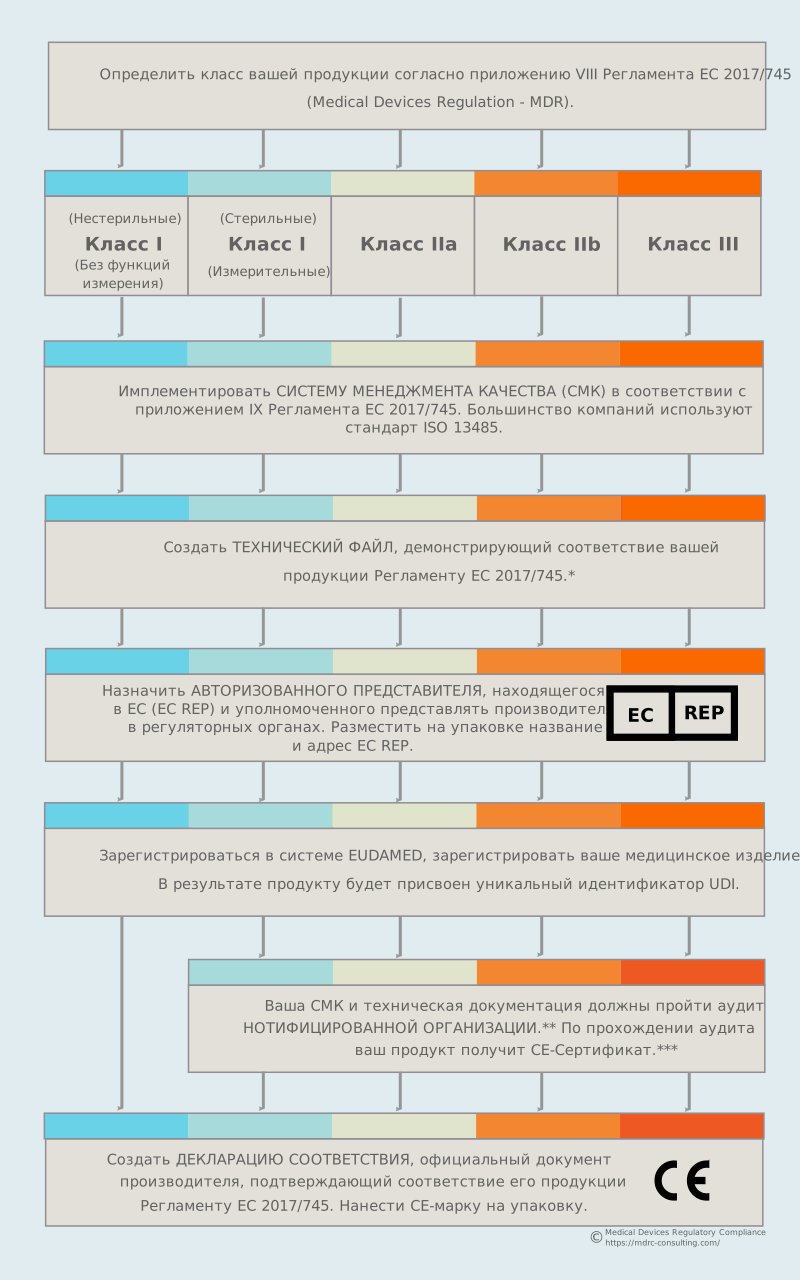
Define the product
Intended purpose, medical-device qualification, manufacturer, variants, accessories and claims
Determine the class
Annex VIII classification rule and documented rationale
Build the evidence system
QMS, risk management, clinical evaluation, technical documentation, PMS and applicable testing
Complete conformity assessment
Self-declaration for ordinary Class I or the applicable procedure with a notified body
Establish market access
Authorised representative for a non-EU manufacturer, UDI, EUDAMED, declaration and CE marking
Maintain conformity
PMS, PMCF, vigilance, change control and documentation updates
The Actor Registration, UDI/Devices, Notified Bodies and Certificates, and Market Surveillance modules became mandatory. For a manufacturer outside the EU, the authorised representative validates the actor registration.
Case studies
One market, but different assessment depth for different classes
Classification depends not on appearance, but on intended purpose, duration and nature of contact, invasiveness, active characteristics and the other criteria in Annex VIII.
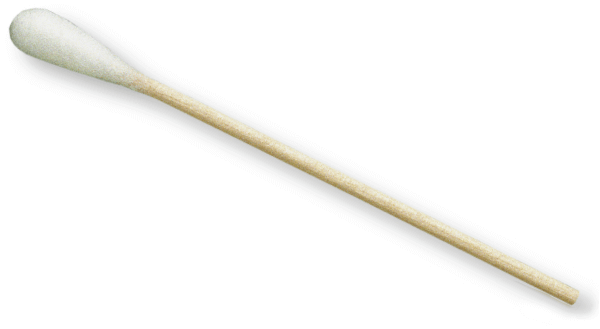
Class I · self-declaration
Non-sterile swab
First determine whether the particular swab is a medical device under the MDR, an accessory or a product within the IVDR. If it qualifies as a non-sterile medical device, classification may follow Rule 1, 4 or 5, depending on its intended purpose and contact with the body.
An ordinary Class I device does not require a notified body. The manufacturer demonstrates conformity, draws up the declaration and remains fully responsible for the evidence.
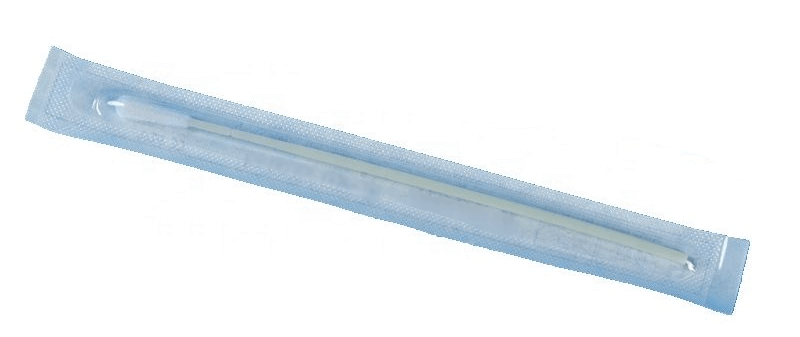
Class Is · limited assessment
Sterile nasopharyngeal swab
With typical transient invasiveness through a body orifice, such a device may fall in Class I under Rule 5 unless its intended purpose makes another rule applicable. Sterile supply places it in the Is subclass.
The notified body is involved only in aspects relating to establishing, securing and maintaining sterile conditions. The manufacturer remains responsible for all other aspects of conformity.
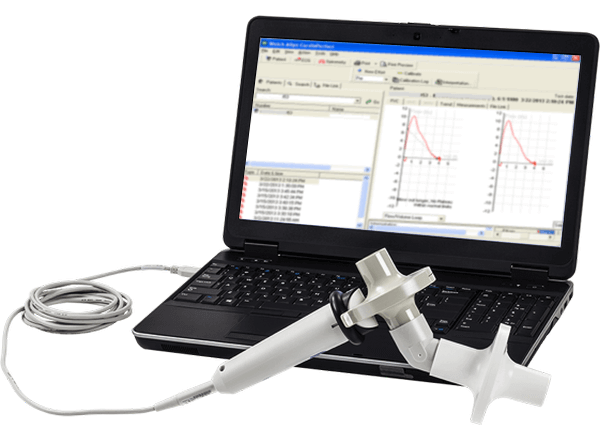
Class IIa · notified body
Spirometer
A conventional spirometer intended to provide information about physiological processes is generally Class IIa under Rule 10. Final classification always depends on the stated intended purpose, measured parameters and resulting clinical decisions.
The notified body assesses the QMS and technical documentation under the selected procedure. Among other matters, the review covers metrological performance, software, usability and clinical evaluation.
Class IIb or III · Rule 15
Devices for contraception or prevention of disease transmission
Devices intended for contraception or prevention of the transmission of sexually transmitted diseases are Class IIb. If such a device is implantable or long-term invasive, it is Class III.
A higher class means deeper review of technical documentation, risks and clinical evidence, but the precise route depends on the selected conformity assessment procedure.
Class III · Rule 8
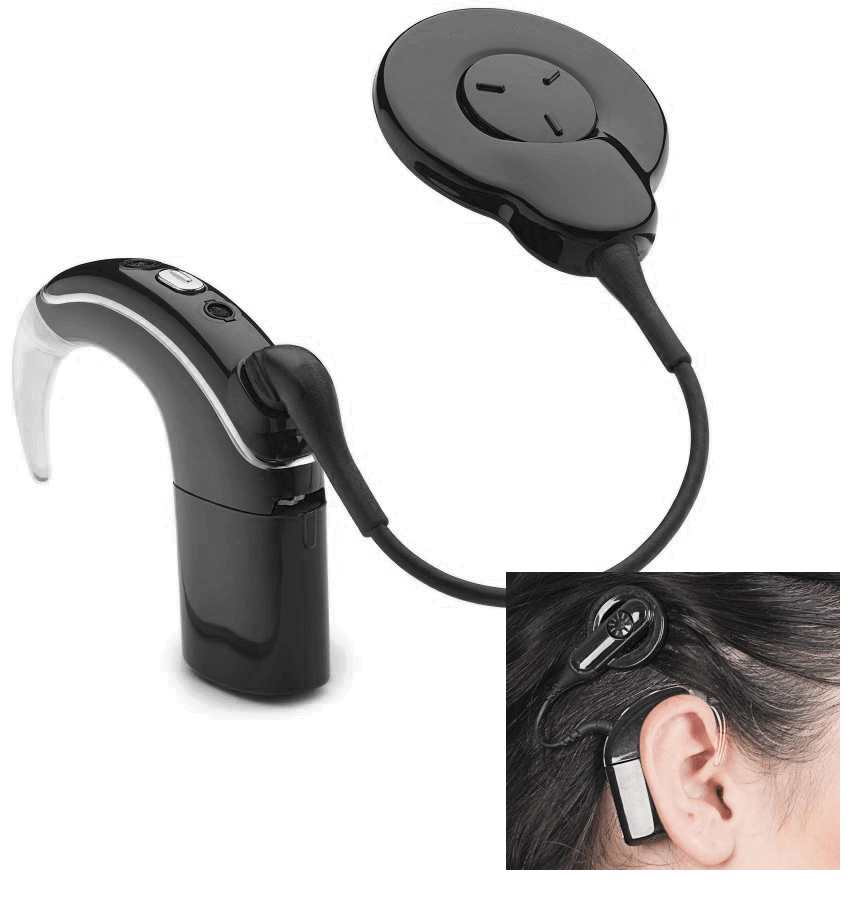
Cochlear implant
A cochlear implant is an active implantable Class III medical device. The notified body performs an in-depth assessment of the manufacturer’s QMS and technical documentation, including design, risk management, preclinical data, clinical evaluation and PMS.
Clinical investigation is the general rule in Article 61(4) for implantable and Class III devices, but the MDR provides conditions and exceptions. It would therefore be too categorical to say that an investigation is always mandatory — the decision must be justified for the particular device and its evidence base.
What is assessed
Higher risk means deeper scrutiny, but responsibility remains with the manufacturer
Technical documentation
The notified body assesses conformity with the applicable GSPR, risk management, verification and validation, and the preclinical and clinical data addressed in Annex II, section 6.
Clinical evaluation
Clinical evidence is reviewed particularly closely for higher-risk devices. The clinical evaluation plan and report must align with the intended purpose, claims, risks and post-market data.
PMS and PMCF
Post-market surveillance and, where applicable, PMCF must feed new data back into risk management, clinical evaluation and decisions on corrective action.
Authorised representative
Its duties are defined by the mandate and Article 11 MDR, not simply by the device class. For damage caused by a defective device, the representative of a non-EU manufacturer may be jointly and severally liable under the conditions in Article 11(5). This does not make it a substitute for the manufacturer.
Conclusion
CE marking reflects a continuous process, not a one-off result
Every medical device placed on the EU market must comply with applicable European legislation. Achieving MDR conformity is a multi-stage process affecting the product, its supporting documentation, manufacturing processes and the manufacturer itself.
The regulatory route depends on the device class and characteristics. Ordinary Class I devices are placed on the market under the manufacturer’s responsibility without prior notified-body assessment. Independent scrutiny becomes deeper as risk increases.
Conformity must not only be achieved but continuously maintained. CE marking therefore reflects a functioning system — from intended purpose and design through PMS, change control and evidence updates.
Resources and sources
Check the route against current law and current EU systems
The downloadable infographic summarises the CE-marking process. The web page provides the fuller and more current explanation.
CE marking and the EU regulatory process
English process infographic for download and printing
In brief
Questions about CE marking
Does every device require a notified body?
No. Ordinary non-sterile Class I devices without a measuring function or reusable surgical-instrument function may follow self-declaration. For Class Is, Im, Ir and higher classes, notified-body involvement is required to the extent specified by Article 52 and the selected procedure.
Is a CE certificate an authorisation to sell?
No. A notified-body certificate is one element of the applicable procedure. The right to affix CE marking arises after all applicable requirements are met, conformity assessment is completed and the EU declaration of conformity is drawn up.
Is a device without CE marking considered falsified?
Not automatically. It is a nonconformity when CE marking is required. A falsified device under Article 2(9) MDR involves a false presentation of identity, source, or the certificates and documents relating to CE-marking procedures.
Is CE marking affixed to custom-made devices?
No. They follow the Annex XIII procedure and require a specific statement, but the applicable MDR requirements continue to apply.
When is the CE-marking process complete?
It does not end at market entry. The manufacturer continues PMS, vigilance, PMCF where required, change control, and updates to technical documentation and clinical evaluation.
Start with the regulatory question
Define the correct route before building the dossier
MDRC helps determine device qualification and classification, select the conformity assessment procedure and connect QMS, technical documentation, clinical evidence and market-access requirements.
Discuss your device